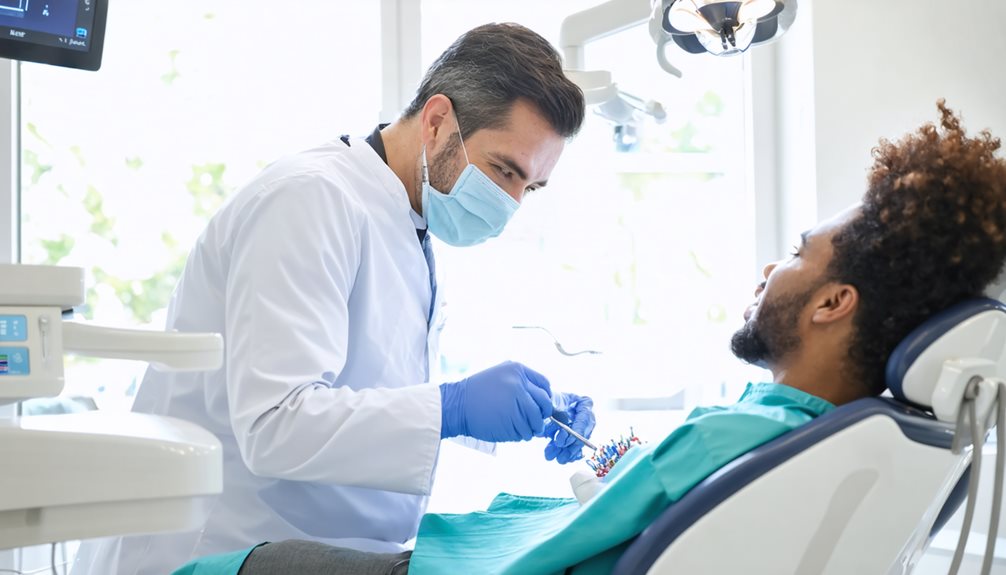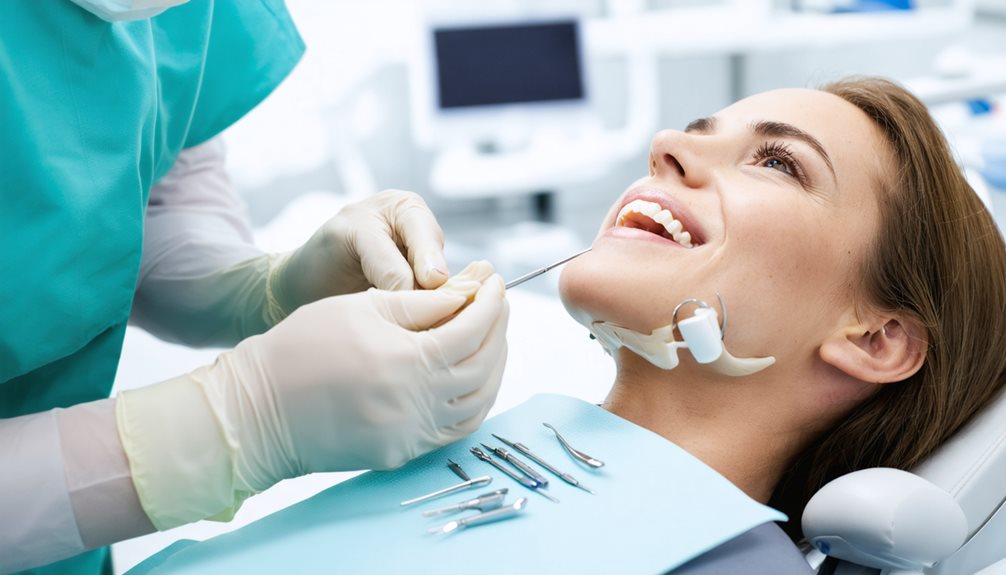
You’re standing at the forefront of prosthodontics, where mastering complex care involves more than just technical skill. It’s about understanding the intricate balance between a patient’s oral health needs and their aesthetic desires. By embracing tools like CAD software and 3D printing, you can greatly enhance the accuracy of your prosthetic designs. But that’s just the beginning. How do you guarantee these prostheses maintain their function and durability over time? And what role do patient education and emerging technologies play in this? Let’s explore these questions further and uncover the path to excellence in prosthodontic care.
Understanding Prosthodontic Needs
Understanding prosthodontic needs begins with a thorough evaluation of a patient’s oral health, functional requirements, and aesthetic goals. You must conduct a meticulous diagnostic assessment to establish a complete understanding of each individual’s unique needs. This process involves a detailed examination of the oral cavity, where you assess the condition of teeth, gums, and supporting structures. Evaluate occlusal relationships and identify any dysfunctions that might impact prosthetic solutions.
Your patient evaluation should also consider medical history, current dental issues, and any previous prosthetic treatments. It is crucial to gather precise data through clinical examinations, radiographs, and diagnostic casts. These tools will aid you in identifying potential challenges and aligning treatment strategies with the patient’s expectations.
A critical aspect of this process is understanding the patient’s aesthetic desires. Engage with them to ascertain their goals and preferences regarding the appearance of their prosthetic solutions. By doing so, you enhance patient satisfaction and guarantee that the final outcome aligns with their vision.
Advanced Treatment Techniques
Building upon a thorough understanding of prosthodontic needs, advanced treatment techniques require precision and expertise to achieve optimal results. Begin by leveraging digital dentistry, which enhances accuracy and efficiency. Digital impressions eliminate the inaccuracies of traditional methods, allowing you to create precise prosthetic components. This technology supports seamless implant integration, ensuring ideal fit and function within the oral cavity.
When planning implant integration, consider the biomechanics and esthetics of each case. Use computer-aided design (CAD) software to analyze the patient’s occlusion and bone density. This data guides you in selecting the appropriate implant type, size, and position, thereby minimizing complications and maximizing patient satisfaction. Digital workflows streamline communication between you and the laboratory, guaranteeing that each component aligns perfectly with the patient’s anatomy.
Attention to detail is vital during surgical procedures.
Long-Term Care Strategies
Long-term success in prosthodontic care hinges on the meticulous execution of advanced techniques and the implementation of thorough maintenance strategies. As a dental professional, you must integrate patient education into your care plan, ensuring patients understand their role in preserving their prosthodontic investments. Inform them about the importance of daily oral hygiene and the impact of dietary choices on prosthesis longevity.
Regular maintenance visits are essential. Schedule appointments every six months to monitor the condition of prostheses and identify potential issues early. During these visits, evaluate the fit and function of the prostheses, checking for wear or damage. This proactive approach allows you to make necessary adjustments, preventing complications before they escalate.
Utilize diagnostic tools such as digital imaging to assess underlying structures, ensuring that the prostheses continue to align with the patient’s evolving oral health needs. Encourage patients to report any discomfort or functional changes immediately; timely intervention can mitigate more extensive problems.
Frequently Asked Questions
How Can I Choose the Right Prosthodontist for My Needs?
Evaluate potential prosthodontists by examining their qualifications assessment and understanding their treatment options. Ascertain they hold relevant certifications, experience, and a thorough approach to treatment planning. This guarantees you’re in control of your prosthodontic care journey.
What Are Common Challenges Patients Face During Prosthodontic Treatment?
During prosthodontic treatment, you might face challenges like treatment duration and aesthetic concerns. Address these by discussing timelines with your dentist and ensuring your aesthetic expectations align with realistic outcomes. Stay informed and proactive throughout the process.
How Do Prosthodontists Handle Patient Anxieties and Fears?
You address patient anxieties by employing anxiety management techniques and providing patient reassurance. Through clear communication and compassionate care, you guarantee they feel informed and comfortable, effectively minimizing fears and enhancing their overall treatment experience.
What Are the Costs Involved in Complex Prosthodontic Procedures?
When evaluating complex prosthodontic procedure costs, you’ll encounter a detailed cost breakdown, including materials, lab fees, and professional expertise. Treatment financing options can help manage expenses, offering you control over your financial commitment and treatment plan.
How Do I Maintain Communication With My Prosthodontist Post-Treatment?
Guarantee seamless communication by scheduling regular follow-up appointments. Directly address any treatment questions during these visits. Utilize email or patient portals to maintain detailed exchanges, guaranteeing you’re informed and in control of your prosthodontic care process.